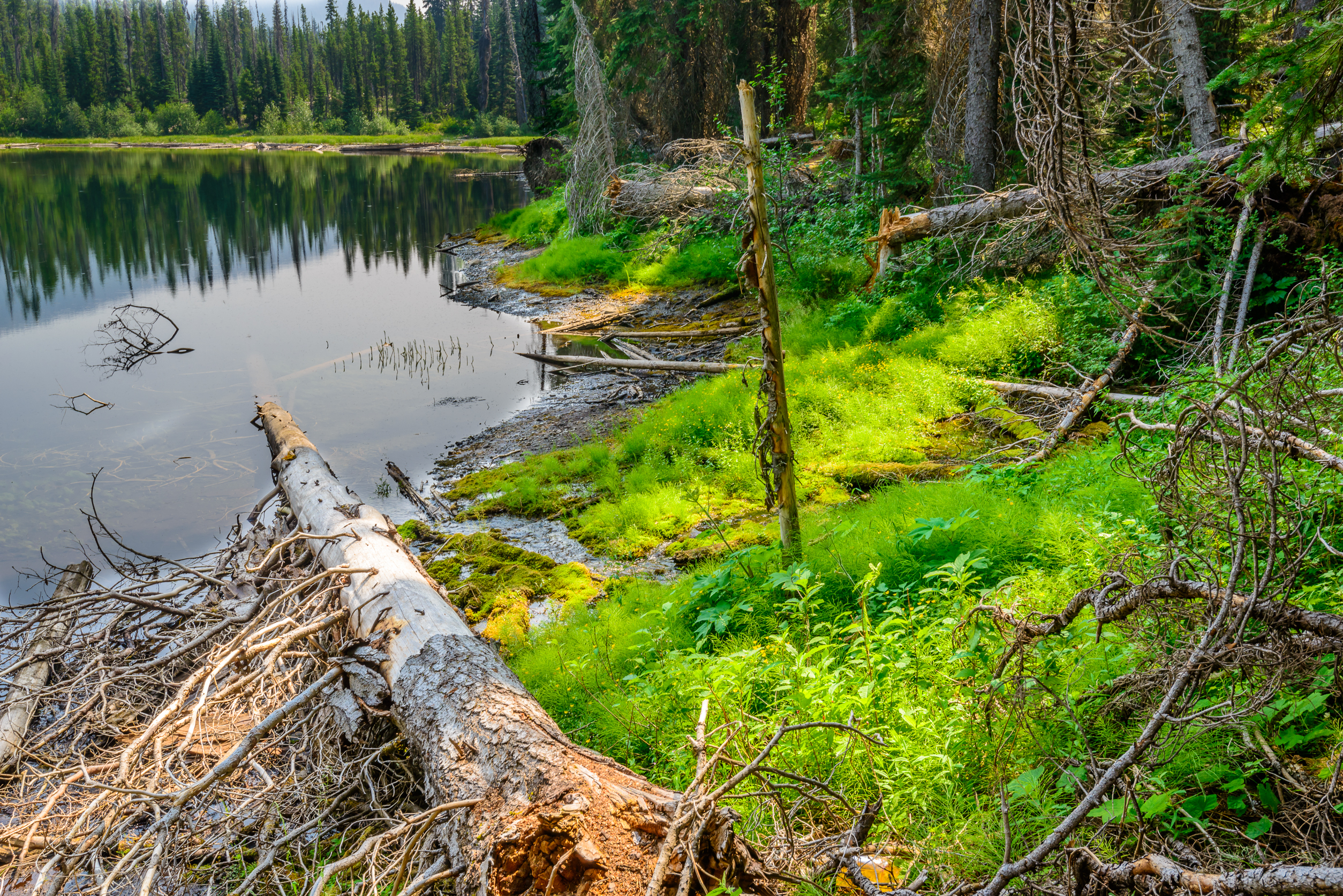
Onondaga Lake, once ranked among the most polluted bodies of water in the United States, is posting water quality numbers that would have seemed like fantasy a generation ago. A century of industrial dumping, municipal sewage overflow, and mercury contamination turned the 4.6-square-mile lake into a symbol of environmental catastrophe. Now, as the EPA conducts its latest five-year review, the data tells a different story.
Methylmercury concentrations in deep-water portions of the lake have plummeted 98% since 2009. The northern two-thirds of Onondaga Lake now meets public health criteria for swimming. Sixty-five species of fish have been documented in the lake — up from just nine to twelve counted in the 1970s, when the water was essentially lifeless. More than 250 species of fish, birds, and other wildlife have returned to restored habitat near the lake.
The turnaround is the product of a massive, multi-pronged effort. Honeywell International, the primary responsible party at the Superfund site designated in 1994, dredged approximately 2.2 million cubic yards of contaminated sediment between 2012 and 2014, then capped the lake bottom with more than three million cubic yards of clean material by 2016. Onondaga County simultaneously invested in wastewater treatment upgrades and its Save the Rain program, which captures stormwater before it can carry pollutants into the lake.
The results are visible. Water clarity has improved dramatically. Algal blooms have decreased. Plant and animal diversity in and around the lake continue to climb.
But the cleanup is not finished. Multiple upland and tributary sites remain in various stages of remediation. At the Willis Avenue Subsite, a treatability study is evaluating in-situ mercury treatment options. At the Ley Creek site, the EPA has committed $23 million in federal funding, supplemented by $7 million from a bankruptcy settlement, for contaminated floodplain cleanup expected to begin in spring 2027. Honeywell is also investigating contaminated groundwater at the Wastebeds 1-8 Subsite.
There is a quiet watchdog keeping tabs. The Upstate Freshwater Institute launched its “Onondaga Lake Guardian” monitoring program in 2022 after government-sponsored monitoring ceased. UFI maintains a real-time monitoring buoy and publishes water quality data online, providing the kind of independent verification that keeps cleanup efforts honest.
Perhaps the most symbolically powerful development: more than 1,000 acres of ancestral homeland south of the lake will be returned to the Onondaga Nation for protection, restoration, and caretaking, part of a 2024 addendum to the Natural Resource Damage Assessment Restoration Plan finalized by the U.S. Fish and Wildlife Service and NYSDEC.
For a lake that was functionally dead within living memory, the trajectory is remarkable. The question now is whether the remaining cleanup work — at sites where contamination runs deep into groundwater and creek beds — can sustain that momentum.