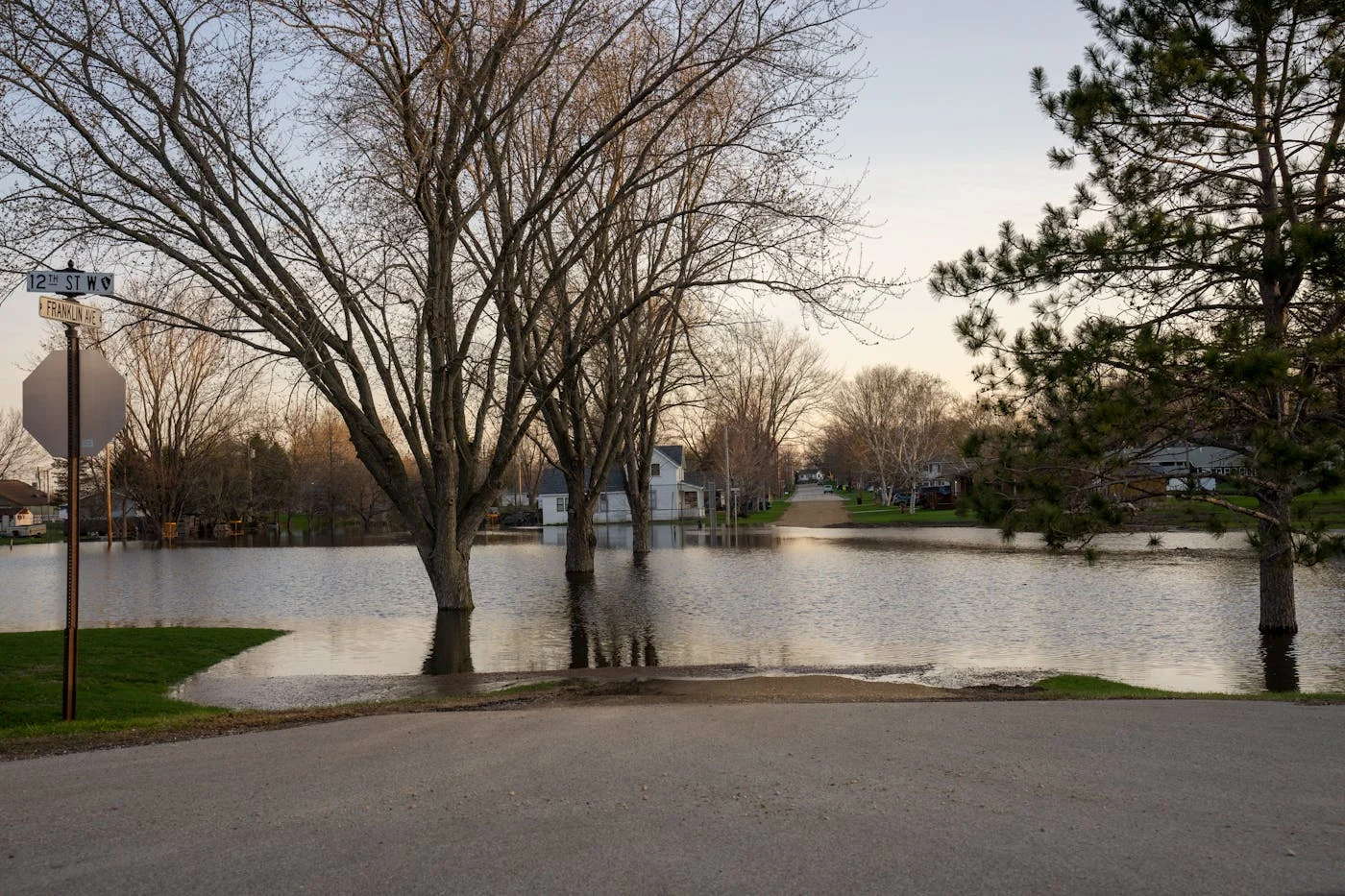
When the Town of Cicero declared a state of emergency on Beach Road this week, it wasn’t the first time. Beach Road floods. It has always flooded. The homes along Oneida Lake’s southern shoreline were built in a flood zone, and the lake’s water level is controlled by an agency in Albany that balances canal navigation and downstream flow. not Cicero’s property values.
New York’s Largest Inland Lake, Managed From 150 Miles Away
Oneida Lake is the largest lake entirely within New York State. Not a debatable claim. it’s a measured fact.
- Surface area: 51,072 acres (79.8 square miles)
- Dimensions: 20.9 miles long, 5.5 miles wide
- Shoreline: 54.7 miles
- Average depth: 22.3 feet
- Water volume: 370 billion gallons (at 367 ft elevation)
- Water residence time: 235 days. it takes nearly 8 months for water to cycle through
- Watershed: 872,722 acres across 69 municipalities in 6 counties (Oneida 34%, Madison 25%, Onondaga 16%, Oswego 14%, Lewis 10%, Cortland <1%)
- Population in watershed: approximately 262,164 residents
The New York State Canal Corporation. a subsidiary of the New York Power Authority. controls how water leaves the lake through the Caughdenoy Dam on the Oneida River. The dam feeds the Erie Canal/Barge Canal system. Water management decisions are made by the Canal Corp’s Syracuse Division based on system-wide navigation needs, not shoreline property protection.
The Dam Nobody’s Inspecting
The Caughdenoy Dam is the sole structure controlling water for a lake used by hundreds of thousands of people and surrounded by thousands of homes. Here’s what the National Inventory of Dams (NID ID: NY00410) says about it:
CAUGHDENOY DAM. SAFETY PROFILE
National Inventory of Dams · NID ID: NY00410 · Source: US Army Corps of Engineers
A 116-year-old dam controlling 255,360 acre-feet of water has not been inspected in 16 years and has no emergency action plan.
The dam is 15 feet high, holds back 255,360 acre-feet of storage, and drains a watershed of 1,382 square miles. It was built in 1909, improved in 1951, and the NYS DEC classifies its hazard potential as “Significant”. meaning failure could cause economic loss, environmental damage, or disruption of lifeline facilities. The dam’s inspection frequency is listed as 0 in the NID database.
The Flooding Pattern
Before the dam was built, Oneida Lake’s natural water level ranged from 370 to 373 feet above sea level. The Canal Corporation has narrowed that range to 368 to 371 feet. Maximum seasonal variation between their target minimum and maximum does not exceed nine inches.
But the targets are aspirational. When heavy spring rain meets Tug Hill snowmelt on a 1,382-square-mile watershed, the volume of water entering the lake outpaces what the single outlet can drain. All dam gates are fully open by December 1 and remain open through winter and spring. there’s no additional capacity to release water faster.
This year, Cicero Town Supervisor Rob Santucci banned all non-essential traffic on Beach Road through at least April 15. The Cicero Police Department is issuing citations to non-residents. Vehicle wakes from through-traffic were actively eroding properties and pushing floodwater against home foundations.
Sandbag stations at South Bay Fire Department and Muskrat Bay Fire Department were restocked with several thousand sandbags. Residents only.
Meanwhile, County Executive Ryan McMahon signed a separate emergency order on April 8 closing every waterway in Onondaga County. the first countywide waterway closure in approximately a decade.
CNY Is Getting Measurably Wetter
SYRACUSE ANNUAL PRECIPITATION (2011, 2023)
Source: NOAA / Current Results · 30-year normal: ~38.4 inches
Above 45″ (flood risk years)
Above 40″ normal
Below normal
New York State annual precipitation has been increasing at +0.47 inches per decade since 1901. a trend statistically significant at 99% confidence, per NOAA’s State Climate Summary. Syracuse recorded 49.6 inches in 2011, 47.9 inches in 2021, and 46.4 inches in 2019. all well above the approximately 38.4-inch normal.
March 2026 precipitation hit 5.58 inches at the Westmoreland station. 2.37 inches above normal, nearly double typical March rainfall. The pattern isn’t random. Of the last 13 years, 8 exceeded 40 inches of annual precipitation. More rain on a 1,382-square-mile watershed means more water entering a lake whose single outlet was built in 1909.
The Insurance Reality
Properties in FEMA-designated Special Flood Hazard Areas around Oneida Lake must carry flood insurance if they have a federally backed mortgage. Under FEMA’s Risk Rating 2.0 system (implemented April 2023), the average annual flood insurance premium in New York is $2,197. an 85% increase from pre-2021 rates.
Cicero is identified as a Repetitive Loss community in the 2025 Onondaga County Multi-Jurisdictional Hazard Mitigation Plan. meaning NFIP-insured structures have had 2+ paid flood claims where total payments exceed property value. The town has not joined the Community Rating System (CRS), which means residents miss out on the CRS premium discount that participating communities receive.
The Paradox: Values Keep Rising
Despite the flood risk, waterfront real estate keeps appreciating. The median sale price in Cicero over the last 12 months is $301,500, up 11% year-over-year. Zillow currently lists 28 Oneida Lake homes in the Town of Cicero. Across the entire lake, approximately 80 lakefront homes are on the market at any given time.
Shoreline development exploded in the 20th century: 476 dwellings in 1900 grew to 4,298 by 1960. a 9x increase in 60 years. That building boom happened before flood maps, before Risk Rating 2.0, and before anyone was tracking whether Central New York’s springs were getting wetter.
THE ONEIDA LAKE ECONOMY
A lake that floods is also a lake that drives the regional economy
Cornell Biological Field Station at Oneida Lake has run the longest warmwater fishery assessment in New York State
Who’s Advocating for Homeowners?
The Oneida Lake Association, founded in 1945 with 2,500+ members, has been pushing for better coordination between the Canal Corporation’s water management and lakefront communities. Their position: draw down the lake earlier in fall to create capacity for spring runoff.
The Canal Corporation’s water management has an unintended ecological consequence the OLA has documented: by narrowing the lake’s natural range, spring flooding in critical wetland areas was eliminated. destroying spawning habitat for chain pickerel and northern pike. Photographic records from the early 1900s show dense emergent vegetation with 40+ shoreline plant species. By 1967, those stands were sparse. The dam management simultaneously fails to protect homes from flooding AND damages the fishery.
An Upstate Flood Mitigation Task Force, created by the NYS Legislature in 2017 and chaired by Canal Corp Director Brian U. Stratton, covers the Oswego River Basin (which includes Oneida Lake). nearly 8,500 square miles. The task force published findings in July 2023 after six years of work.
The Bottom Line
For Beach Road residents filling sandbags this week, the solution isn’t more sandbags. It’s a water management policy that accounts for the fact that CNY’s springs are getting wetter, the dam hasn’t been inspected in 16 years, there’s no emergency action plan, and the homes along Oneida Lake’s shoreline are the first to pay the price every spring.
The lake generates $50 million a year in fishing revenue and ranks first among New York’s inland waters. But the 4,298 homes built along its shoreline are living with a flood management system designed in 1909 and a dam inspection schedule that apparently doesn’t exist.
What to Know
- Caughdenoy Dam (NID: NY00410): built 1909, last inspected August 13, 2009, no emergency action plan, “Significant” hazard classification
- Average NY flood insurance: $2,197/year post-Risk Rating 2.0 (85% increase)
- Cicero: FEMA Repetitive Loss community, not in CRS discount program
- Home values: Cicero median $301,500 (+11% YoY) despite flood risk
- Development: 476 shoreline dwellings (1900) → 4,298 (1960)
- Precipitation trend: +0.47″/decade since 1901 (99% confidence, NOAA)
- March 2026: 5.58 inches. nearly double normal
- Economy: $50M+ annual fishing impact, #1 NY inland fishery, 850 miles of trout streams
- OLA: 2,500+ members since 1945, advocating for earlier fall drawdown
Sources: US Army Corps NID Database, CNY Regional Planning Board, NY Sea Grant/Oneida Lake Education Initiative, NOAA via Current Results, NOAA State Climate Summary, CNYWeather.com, NYS DEC Fisheries Report, Onondaga County 2025 Hazard Mitigation Plan, FEMA Risk Rating 2.0. Hero photo: Pexels.