By Sarah Chen. Reporting from Liverpool. Onondaga County. Onondaga Lake sits at the geographic center of Central New York, and for most of the twentieth century it was the most polluted lake in the United States. In 2026 the picture looks different. Twenty four years after Honeywell signed the federal consent decree, more than 1.4 million tons of contaminated sediment have been capped, 65 fish species have been documented in the water column, and the New York State Department of Environmental Conservation maintains 19 active monitoring stations around the 4.6 square mile lake. The work is not finished, but it is measurable.
What 24 years of cleanup paid for
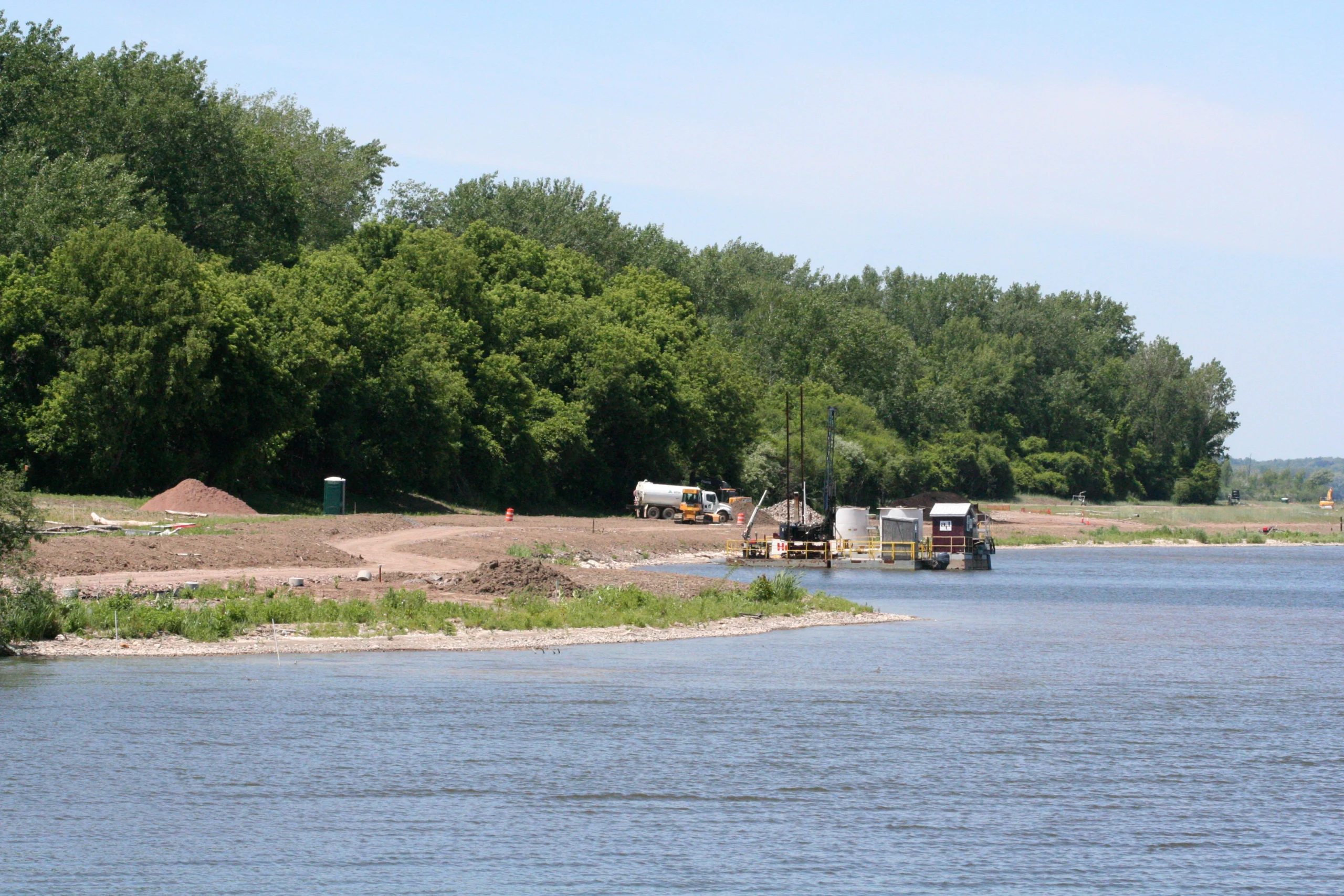
The Onondaga Lake bottom remediation, the largest civil environmental settlement in New York history at the time it was signed in 2007, capped 475 acres of lake bed under a layer of sand, gravel, and activated carbon designed to isolate mercury and other industrial residues left by the former Allied Chemical and Solvay Process Company operations on Willis Avenue and at the Wastebed B site west of State Fair Boulevard. The full cap covers roughly 16 percent of the entire lake bottom. Capping work, completed in 2017, used 1.4 million tons of clean material trucked or barged in over an eight year construction window. NYSDEC Region 7 director Matthew Marko has signed the most recent stewardship reports, with field work led by program manager Kelley Lawler at the Liverpool field office on Onondaga Lake Parkway.
Wastebed 13, a former industrial holding area on the southwest shore off Airport Road, was reshaped into a 75 acre wetland complex with 1.1 miles of new tributary stream channel for Geddes Brook. The wetland was planted with more than 200,000 individual native plugs of cattail, sedge, and bulrush. As of the 2024 monitoring report from NYSDEC, walleye filets sampled from the lake show mercury concentrations that have dropped 75 percent compared to baseline samples taken in 2008. The Onondaga County Department of Health still posts a fish consumption advisory at the boat launches at Onondaga Lake Park and the Inner Harbor at the foot of West Kirkpatrick Street.
Know before your neighbors do
The Morning Signal hits your inbox at 6 AM with everything that happened overnight. Real incidents, real data, zero fluff.
By The Numbers
- 1.4 million tons of sediment cap material placed on the lake bed (NYSDEC)
- 475 acres of lake bottom isolated under engineered cap (NYSDEC)
- 65 species of fish documented in current Onondaga Lake monitoring (Upstate Freshwater Institute)
- 19 active water quality monitoring stations operated by NYSDEC and Onondaga County
- 4.6 square miles total lake surface area
- 75 percent reduction in walleye filet mercury since 2008 baseline
- 200,000 plugs of native wetland vegetation installed at Wastebed 13
- 1.1 miles of restored Geddes Brook tributary channel
- $451 million in cleanup costs paid by Honeywell through 2024 (Honeywell SEC filings)
- 2007, the year the federal consent decree was signed
- 240 acres of upland soils remediated at the former Solvay Process Company site
- 15 species of waterfowl observed during 2024 winter counts
- 7.5 miles of shoreline trail at Onondaga Lake Park between Liverpool and the Inner Harbor
- 1.2 million visits to Onondaga Lake Park in 2024 (Onondaga County Parks)
The wildlife came back faster than anyone predicted
When the cap was being placed in 2014, biologists at the Upstate Freshwater Institute were cautious about predicting recovery timelines. The 2024 species count of 65 fish includes lake sturgeon, a species absent from Onondaga Lake for decades, plus consistent walleye, smallmouth bass, and yellow perch returns that have repopulated the Ninemile Creek and Onondaga Creek mouths. Bald eagles now nest on the lake’s western shore, with the first confirmed breeding pair documented by Audubon New York in 2017. The Onondaga County winter waterfowl count for January 2025, run by Montezuma Audubon Center director Chris Lajewski, logged 15 distinct species across the lake, including significant numbers of common goldeneye and hooded merganser.
Onondaga Lake Park, the 7.5 mile shoreline trail that loops along the eastern and southern shores between Liverpool village and the Inner Harbor, drew an estimated 1.2 million visits in 2024 according to Onondaga County Parks commissioner Bill Lansley. The park system has added two new fishing piers since 2020, reopened the West Shore Trail segment in 2023 after a five year closure tied to remediation traffic, and finished the $4.2 million Liverpool boardwalk replacement at Willow Bay in October 2025.
What still needs to happen
Three pieces of work remain on the official cleanup schedule. The Geddes Brook delta requires a final monitoring confirmation before NYSDEC will sign off on long term stewardship transfer. Onondaga Creek sediment downstream of the Solvay outfall continues quarterly monitoring through at least 2030. And a long planned habitat connectivity project between Onondaga Lake and the Seneca River through the Cold Springs Brook corridor is in design phase with the Onondaga Environmental Institute, with a target construction start in 2027. County executive Ryan McMahon noted at the March 2026 county legislature transportation committee that the state water quality budget includes $11 million in matching funds for that work.
Honeywell’s annual operations and maintenance commitment for the cap and monitoring infrastructure runs through 2055 under the consent decree, with bonded financial assurance backing the obligation. The total Honeywell expenditure on the lake project, according to the company’s own SEC filings reviewed for fiscal year 2024, has reached $451 million across remediation construction, long term operations, and natural resource damage payments to the State of New York.
What this means for Central New York
For residents who grew up calling Onondaga Lake the dirtiest lake in America, the 2026 picture is genuinely different. The water is fishable for catch and release in most areas, the trail is one of the most heavily used park assets in the county, and the wildlife data shows a system that is recovering faster than the original 2007 modeling assumed. The work is not over. The cap requires perpetual monitoring. But after 24 years the project has produced something measurable, and Central New York has a 4.6 square mile lake at its center that is no longer the worst case in the country.
Sources: NYSDEC Onondaga Lake Project Status Reports 2008 to 2024, Upstate Freshwater Institute annual species inventories, Audubon New York raptor monitoring data, Honeywell International 10-K filings fiscal 2024, Onondaga County Parks visitation reports, Onondaga County winter waterfowl counts, Onondaga County Legislature transportation committee minutes March 2026.