I-81 ramp closure changes daily routines for thousands in Syracuse
The closure of the I-81 North to I-690 East ramp marks a major shift for Syracuse drivers, affecting daily commutes and the rhythm of life in Central New York. The change is part of a $4 billion transformation project that will reshape how residents move through the city.
Sean Kirst, columnist for Central Current, remembers the old routine: merging from I-81 North onto I-690 East, a move so familiar it felt automatic. This week, that routine ended for him and thousands of other Syracuse drivers as the ramp closed for good, part of the $4 billion I-81 viaduct transformation project. For nearly four decades, the ramp served as a daily shortcut for commuters from the South Side, Valley, and neighborhoods near Corcoran High School, connecting them to Le Moyne College, the university district, and beyond.
This story came from public records we pulled ourselves
Get the next one, plus overnight incidents, in your inbox at 6 AM. Free, no spam.
Central Current reports that one local commuter used the I-81 to I-690 ramp an estimated 12,000 times over 38 years. Multiply that by the thousands who relied on the connection every day, and the scale of the change becomes clear. The closure is not temporary: the ramp will not return, forcing drivers to rethink their daily routes through the city.
Drivers now face a new set of choices. Some are shifting to Brighton Avenue, which has seen significant rebuilding, while others are testing out alternate thoroughfares like Glenwood, Clyde, and Newell streets. The familiar hop from Valley Drive to the I-81 ramp is gone, replaced by a longer, sometimes slower, journey through city streets that are still adjusting to new traffic patterns.
By The Numbers
- $4 billion: Total cost of the I-81 viaduct transformation project, per Central Current.
- 12,000: Estimated number of times one local commuter used the I-81 to I-690 ramp over 38 years, according to Central Current.
- 38 years: Length of time the ramp was a daily part of some Syracuse residents’ commutes, per Central Current.
Why this matters for Central New York
The closure of the I-81 North to I-690 East ramp is more than a traffic update. It’s a disruption that reaches into the daily lives of people across Syracuse and neighboring towns like DeWitt, Salina, and Geddes. For decades, the elevated highway and its ramps dictated how people moved between neighborhoods, schools, and jobs. Now, with the state’s street-level grid plan underway, drivers are learning new habits and discovering alternate routes, Central Current reports.
For residents near Corcoran High School or those commuting to Le Moyne College, the change means rethinking the familiar: Glenwood to Valley, Valley to Newell, Newell to South Salina, and then, no longer, a quick merge onto I-81 and the 690 East ramp. Instead, some are now taking Glenwood to Clyde to Brighton Avenue, a route that has seen significant improvements, according to Central Current. The rebuilt Brighton corridor now offers a smoother drive, but it also means more traffic lights and a different pace compared to the old highway shortcut.
Drivers from the South Side, Strathmore, and Eastwood neighborhoods are also feeling the impact. The closure has pushed more cars onto Brighton Avenue, which runs parallel to the old ramp and connects the South Side to downtown and the university district. The city rebuilt sections of Brighton Avenue in anticipation of the closure, adding new pavement, updated signals, and improved sidewalks. Still, the adjustment is real: morning and evening rush hours now see longer lines at intersections like Brighton and South Salina, and drivers are learning which side streets offer the quickest detours.
What makes this transformation notable
The I-81 viaduct project is one of the largest infrastructure undertakings in Syracuse’s history. The closure of the ramp is a visible sign that the city’s landscape, and its habits, are changing. Central Current columnist Sean Kirst described the old routine as so ingrained it was “almost unconscious,” comparing it to walking up your own living room stairs. For many, the ramp was a daily ritual, a muscle memory built over thousands of trips through snow, ice, and sunshine.
Now, with the ramp gone, the city is one step closer to a future where downtown Syracuse is no longer divided by hulking elevated highways. The project aims to reconnect downtown with the university and hospital districts, creating a more pedestrian-friendly and visually appealing city core, according to Central Current. The hope is that, with thoughtful planning and design, the changes will benefit residents, commuters, and visitors alike.
The $4 billion price tag covers not just the demolition of the viaduct and the closure of ramps, but also the construction of new surface streets, bike lanes, and pedestrian crossings. The New York State Department of Transportation says the goal is to knit together neighborhoods that have been separated since the highway was built in the 1960s. The project’s timeline stretches over several years, with more closures and detours scheduled as work continues through 2027 and beyond.
For longtime residents, the transformation is bittersweet. The old ramp was a symbol of postwar growth and car culture, but it also cut off neighborhoods and created barriers for pedestrians and cyclists. The new grid plan promises to restore connections between downtown, University Hill, and the South Side, but it requires patience as drivers adapt to new routes and construction zones.
Local context: Navigating the new Syracuse
Nearby, key roads like Erie Blvd, James Street, and I-481 are seeing increased traffic as drivers test out new patterns. The changes are also affecting those heading to major destinations like Destiny USA, the JMA Wireless Dome, and the hospitals near University Hill. With the holiday season approaching, and big events like the Syracuse-Notre Dame football game at the Dome declared a sellout, traffic patterns are top of mind for many, according to LocalSYR and Syracuse.com.
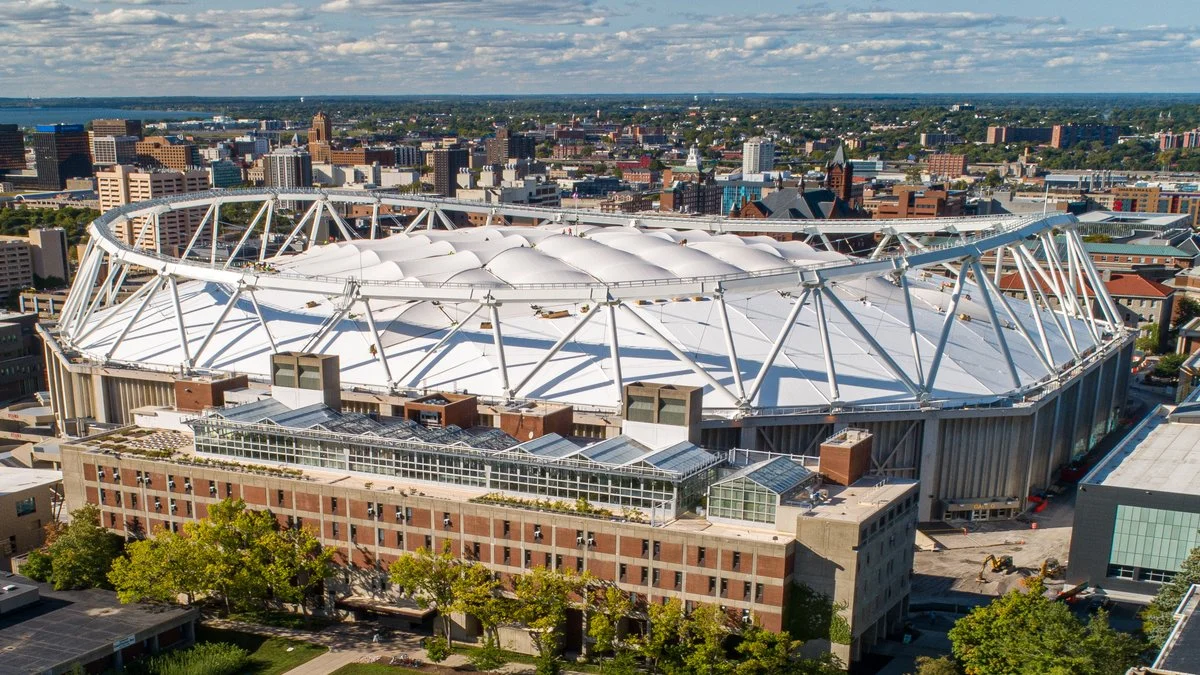
For drivers heading to Destiny USA, the closure means planning ahead. The mall, located just off I-81, draws shoppers from across Central New York, especially during the holidays. With the ramp gone, many are using Erie Blvd or taking I-481 to circle around construction. The same goes for fans heading to the JMA Wireless Dome for Syracuse University football and basketball games. The Dome, perched on University Hill, already draws tens of thousands on game days, and the loss of a major ramp adds another wrinkle to parking and traffic plans.
On November 23, the Dome will host a sellout crowd for the Syracuse-Notre Dame football game, according to LocalSYR and Syracuse.com. That means more than 49,000 fans converging on downtown, many of them navigating new routes for the first time. City officials have urged fans to arrive early, use public transit when possible, and check for updates on detours and parking. The city’s parking garages on Harrison, Fayette, and Montgomery streets are expected to fill quickly, and traffic on Brighton Avenue, South Salina, and East Genesee will likely be heavier than usual.
For more on how these changes are affecting daily life and events, check our community events page for updates and tips on getting around Syracuse during construction.
Community resilience and local pride
While the closure of a major ramp is an inconvenience, it’s also a sign of progress for Central New York. Residents are adapting, sharing tips, and finding new routines. As columnist Sean Kirst wrote for Central Current, the transformation is an opportunity to “successfully mesh downtown with the university and hospital districts” and create a more unified city.
With the I-81 viaduct project underway, Syracuse is embracing change while holding onto the traditions and connections that make it unique. Whether it’s adjusting a morning commute, finding a new favorite coffee spot along Brighton Avenue, or cheering on the Orange at a sold-out Dome, the community spirit remains strong.
For those interested in how local sports and events are intersecting with these changes, visit our Syracuse sports page for the latest on SU athletics and game-day logistics.
Where to check for updates
For official information on the I-81 viaduct project, ramp closures, and alternate routes, visit the New York State Department of Transportation website and follow local outlets like Central Current and Syracuse.com for ongoing coverage.
📷 Wikimedia / Wikipedia , Interstate 81 in New York , CC BY-SA 4.0 / Public Domain (verify per file)
Sources
- Central Current, details on the I-81 ramp closure, commuter routines, and project cost
- LocalSYR, Syracuse-Notre Dame football game sellout and event impact
- Syracuse.com, confirmation of SU football game sellout and local event context