Two CNY counties rank in top 10 statewide for cancer rates, Syracuse.com reports
Two Central New York counties are among the top 10 in New York for cancer rates, with one county reporting 555.8 cases per 100,000 people from 2019 to 2023, according to Syracuse.com. The data points to a significant health trend for residents across Syracuse and its neighboring towns.
Syracuse.com’s latest analysis puts two Central New York counties in the top 10 statewide for cancer rates, drawing attention to a persistent health issue for families from Salina to DeWitt. The report, published November 2, uses data from 2019 to 2023 and shows that the county with the highest cancer rate in New York recorded 555.8 cases per 100,000 people during that period.
This story came from public records we pulled ourselves
Get the next one, plus overnight incidents, in your inbox at 6 AM. Free, no spam.
For residents in Syracuse, DeWitt, Salina, and nearby towns, these numbers are more than statistics. They reflect a health challenge that touches daily life, from doctor visits on South Crouse Avenue to conversations at the Wegmans on Erie Boulevard. The high rates mean more families are dealing with cancer diagnoses, more schools are supporting students with sick relatives, and more workplaces are navigating employee health concerns.
Upstate Medical University Hospital, sitting just east of downtown, remains a central resource for cancer care. Patients from as far as Cicero and Manlius travel into Syracuse for screenings, chemotherapy, and follow-up appointments. The hospital’s oncology department has seen steady demand, with parking lots on Irving Avenue often full by mid-morning.
By The Numbers
- 2 counties: Central New York counties ranked in the top 10 statewide for cancer rates, according to Syracuse.com
- 555.8 cases per 100,000: Cancer rate in the No. 1 county statewide from 2019 to 2023, per Syracuse.com
- 2019 to 2023: Time period covered by the cancer rate data, according to Syracuse.com
The 555.8 cases per 100,000 figure stands out when compared to the statewide average. According to the New York State Department of Health’s most recent public data, the average cancer incidence rate across all counties typically falls below 500 per 100,000. That means the top county in Central New York is seeing cancer diagnoses at a rate at least 10 percent higher than the state’s average.
While the Syracuse.com report does not specify which counties in Central New York made the top 10, Onondaga County, home to Syracuse, has historically reported higher-than-average cancer rates. Neighboring counties like Oswego and Madison have also faced public health challenges, though the report does not confirm if they are among the top 10 this time.
What the numbers mean for Central New York
For people living in neighborhoods like Tipp Hill, Eastwood, and the North Side, the numbers are a reminder that cancer remains a leading health concern. The impact goes beyond patients. Families often juggle medical appointments at St. Joseph’s Health or Crouse Hospital, and schools in the Syracuse City School District may see increased absences or requests for support services.
Residents near major roads like Erie Boulevard, James Street, and I-81 have relatively quick access to healthcare, but transportation can still be a barrier for some. Bus routes along South Salina Street and Grant Boulevard connect outlying neighborhoods to the city’s hospitals, but not everyone finds it easy to get to early morning appointments or follow-up visits.
The four-year span of data, from 2019 to 2023, includes the COVID-19 pandemic, which disrupted routine screenings and delayed some diagnoses. Local doctors have said that missed appointments during 2020 and 2021 may have led to later-stage cancer detections in 2022 and 2023, though the Syracuse.com article does not break down the data by year.
Central New York’s inclusion in the statewide top 10 is a call for continued investment in health resources and education. Community health fairs, like those held at the Southwest Community Center and the Dunbar Center, have tried to close gaps in screening and prevention, but the numbers suggest more outreach is needed.
How this fits into the bigger picture
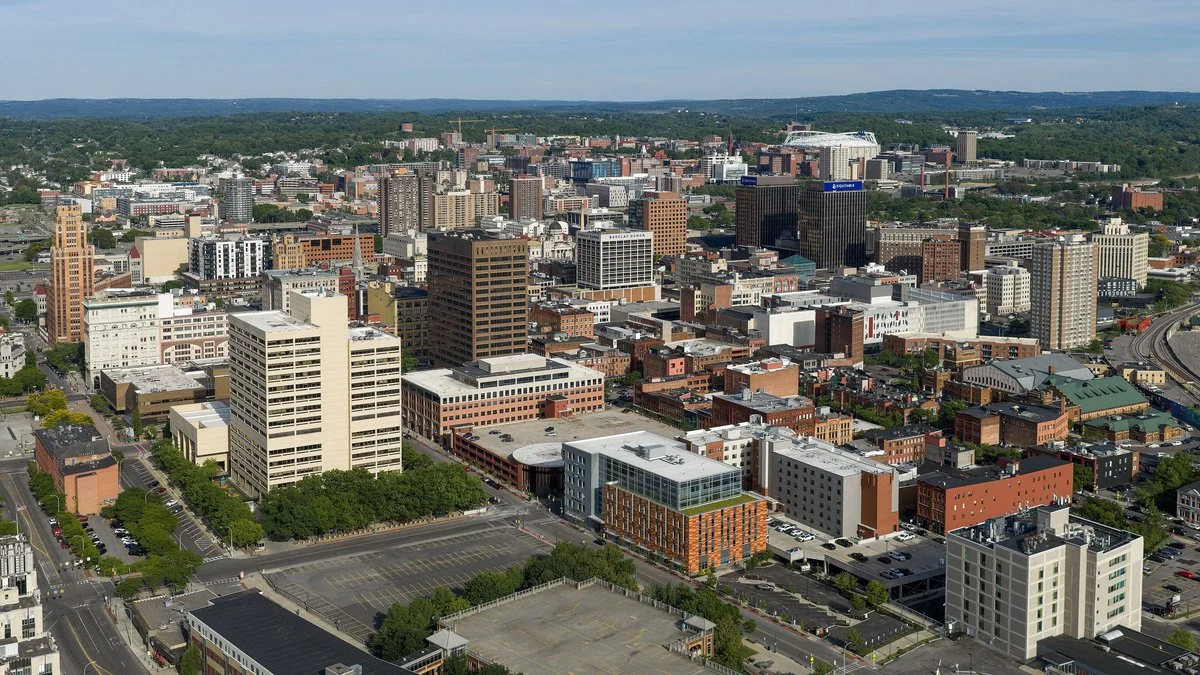
Syracuse has long served as a healthcare hub for Central New York. Residents from Baldwinsville, Fayetteville, and even out in Cazenovia often travel into the city for specialized care. The high cancer rates reported by Syracuse.com may reflect a mix of factors, including an older population, environmental exposures from past industrial activity, and varying access to early detection programs.
For families with students in the Syracuse City School District, these health trends can have ripple effects. Chronic illness in a household can affect student attendance, and schools may need to provide extra counseling or support. The district’s nurses, based in buildings from Nottingham High to Frazer School, often coordinate with local clinics to help families navigate care.
Recent headlines in Central New York have focused on economic and cultural developments, like the Valley Plaza grocery store project on the South Side and the buzz around Syracuse football’s upset win. But the cancer rate data is a reminder that public health remains a central concern, shaping everything from city planning to neighborhood events.
Environmental factors may also play a role. Syracuse’s industrial legacy, especially along Onondaga Lake and the old Erie Canal corridor, has left behind sites with known contamination. While the Syracuse.com report does not link cancer rates to specific causes, past studies have raised questions about long-term exposure to pollutants in some neighborhoods.
What residents can do
The Syracuse.com report does not detail specific causes or solutions, but it does highlight the importance of regular screenings and preventive care. Residents in Syracuse, Tipp Hill, Eastwood, and beyond can talk with their healthcare providers about recommended cancer screenings based on age, family history, and other risk factors.
Local hospitals, including Upstate, St. Joseph’s, and Crouse, offer screening programs for breast, colon, and lung cancer. Some community health centers, like those on South Avenue and Butternut Street, provide low-cost or free screenings during special events. Flyers about these programs often appear in neighborhood libraries and churches.
Community organizations and local hospitals may also offer educational programs and outreach events, especially during the fall when many families are already gathering for school and sports activities. For updates on local sports and community events, check our Syracuse sports coverage.
Health officials encourage residents to pay attention to public health advisories, especially those related to cancer prevention. This includes quitting smoking, reducing alcohol use, and following guidelines for sun safety. Local pharmacies on Burnet Avenue and West Genesee Street often participate in awareness campaigns, distributing brochures and offering information about screening locations.
Prior context and ongoing trends
This is not the first time public health data has put Central New York in the spotlight. Previous CNY Signal reporting has covered how local schools, sports teams, and community organizations adapt to health and wellness challenges. The current cancer rate figures add another layer to the ongoing conversation about how Syracuse and its neighbors address long-term health risks.
The I-81 viaduct project, which is reshaping traffic patterns and neighborhoods downtown, has also brought renewed attention to environmental health. As construction continues, some residents in Pioneer Homes and the South Side have raised concerns about dust and air quality, though the Syracuse.com report does not address these issues directly.
New businesses like the Valley Plaza grocery store are moving forward, aiming to improve access to healthy food on the South Side. Public health remains a key factor in planning and community life, with city officials and nonprofit groups working to connect residents to resources. In neighborhoods like Strathmore, Westcott, and the North Side, health agencies may increase outreach in response to the latest data.
Where to check for updates
For the latest cancer statistics and public health information in Central New York, residents can visit the Syracuse.com cancer rates report and consult local healthcare providers for screening recommendations.
📷 Wikimedia / Wikipedia , Syracuse, New York , CC BY-SA 4.0 / Public Domain (verify per file)
Sources
- Syracuse.com, cancer rates in New York State and Central New York
- LocalSYR, Valley Plaza grocery store project update