By Sarah Chen, Staff Reporter
AUBURN, N.Y. On a quiet stretch of South Street, just south of downtown, a brick farmhouse sits behind a low iron fence. There is no spectacle here, no marble plaza or glass atrium. Yet the modest two-story home and the small frame house next to it form one of the most consequential pieces of ground in American history. This is where Harriet Tubman lived in freedom for more than half a century, and where, on March 10, 1913, she died.
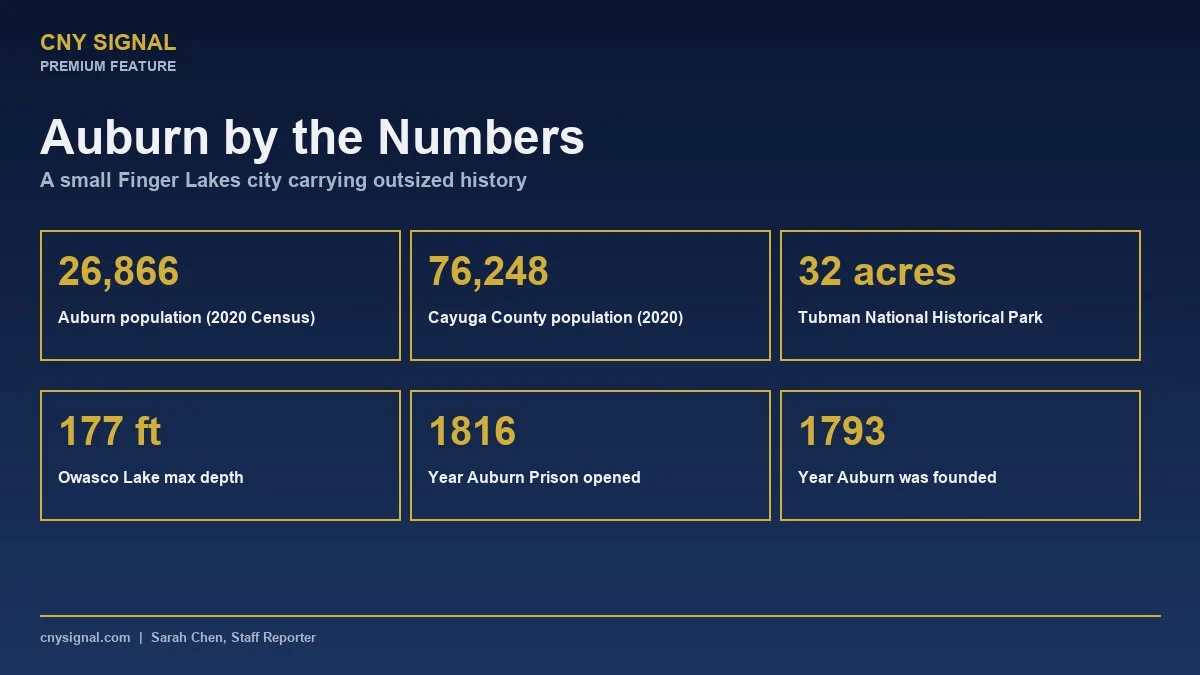
Auburn is a city of roughly 26,000 people, the seat of Cayuga County in Central New York. The county itself counted 76,248 residents at the 2020 census, with newer American Community Survey estimates putting the figure closer to 74,600 in 2024. By the standards of New York’s big metros it is small. By the standards of American memory, it is enormous.
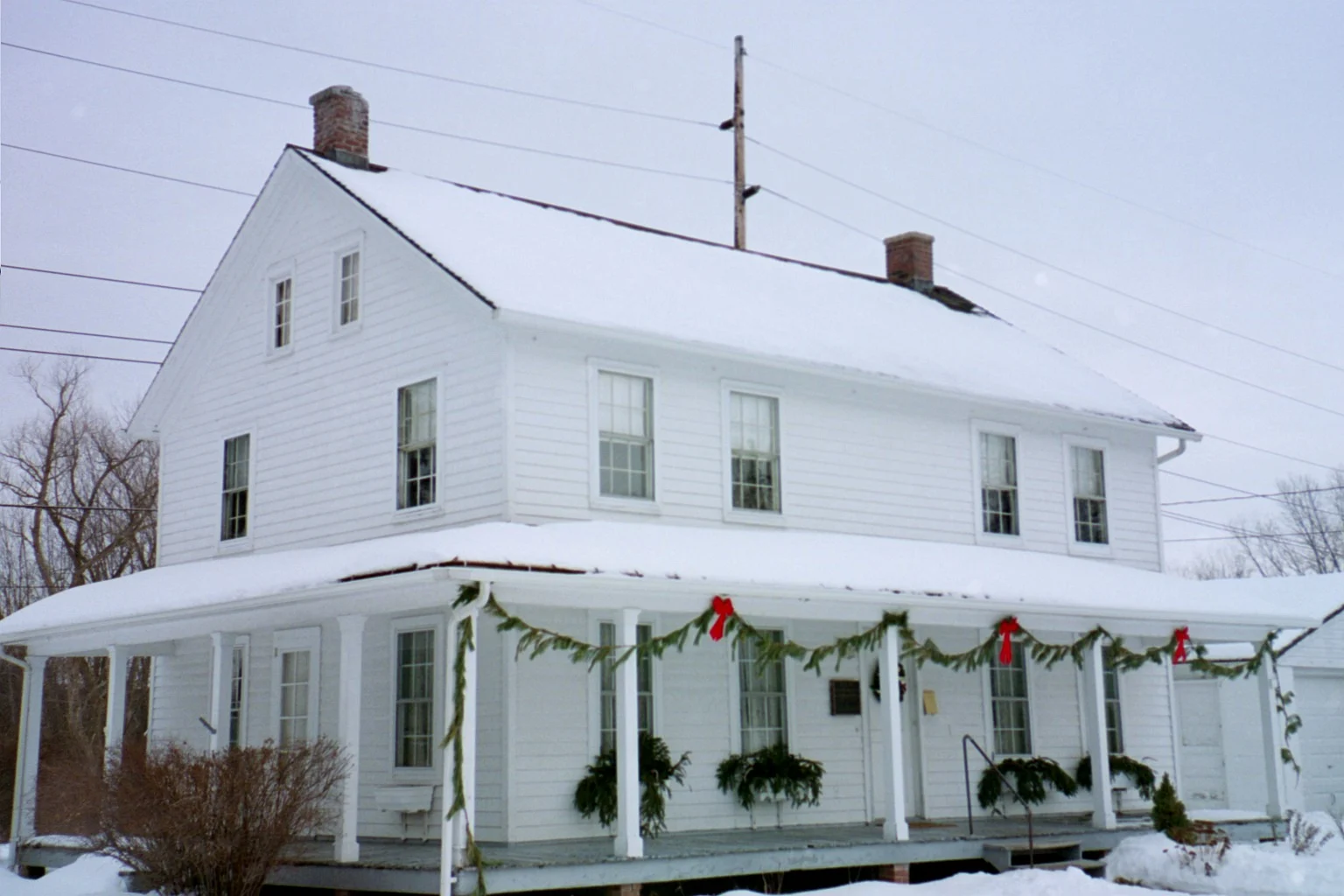
A Finger Lakes city with deep roots
Auburn was founded in 1793 by John L. Hardenbergh, a veteran of the Revolutionary-era Sullivan-Clinton campaign. The settlement was first known as Hardenbergh’s Corners. In 1805 it was renamed Auburn, drawn, by local accounts, from a place name in Oliver Goldsmith’s poem “The Deserted Village.” The city sits at the north end of Owasco Lake, the third easternmost and sixth largest of the Finger Lakes. Owasco runs 10.7 miles long, reaches a maximum depth of 177 feet, and supplies drinking water to roughly 44,000 residents in Cayuga County, including Auburn itself. The lake has been the subject of a state-funded Watershed Inspection Program at Emerson Park and other launches, where boats are checked for hydrilla, zebra mussels, and other aquatic invasive species before entering the water.
South Street, laid out in 1795, was listed on the National Register of Historic Places in 1991 as the South Street Area Historic District. The district covers about a mile and includes 164 contributing structures dating to roughly 1800. It is the spine of historic Auburn, and it is where the city’s two best-known residents lived within walking distance of each other.
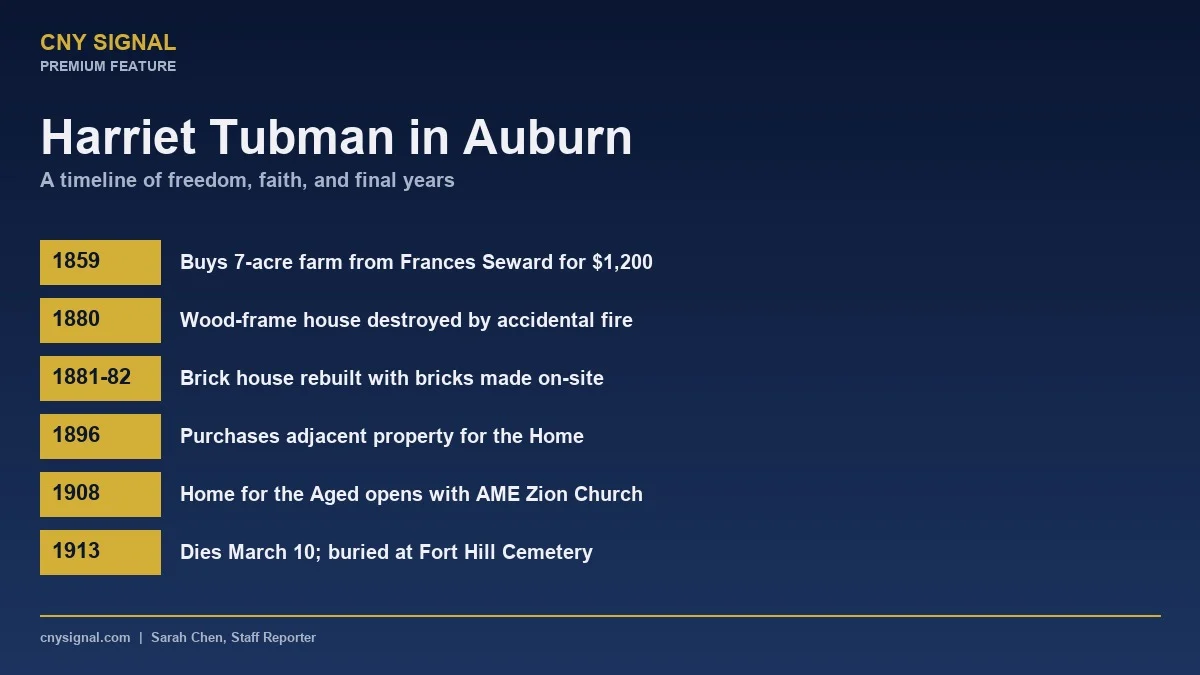
Harriet Tubman’s home, in her own hand
Tubman’s Auburn story begins in early 1859, when Frances Adeline Seward, wife of then-U.S. Senator William H. Seward, sold her a seven-acre farm on South Street for $1,200. The transaction itself was a quiet act of defiance. Under the federal Fugitive Slave Act of 1850, transferring land to a self-emancipated person was illegal. Frances Seward did it anyway.
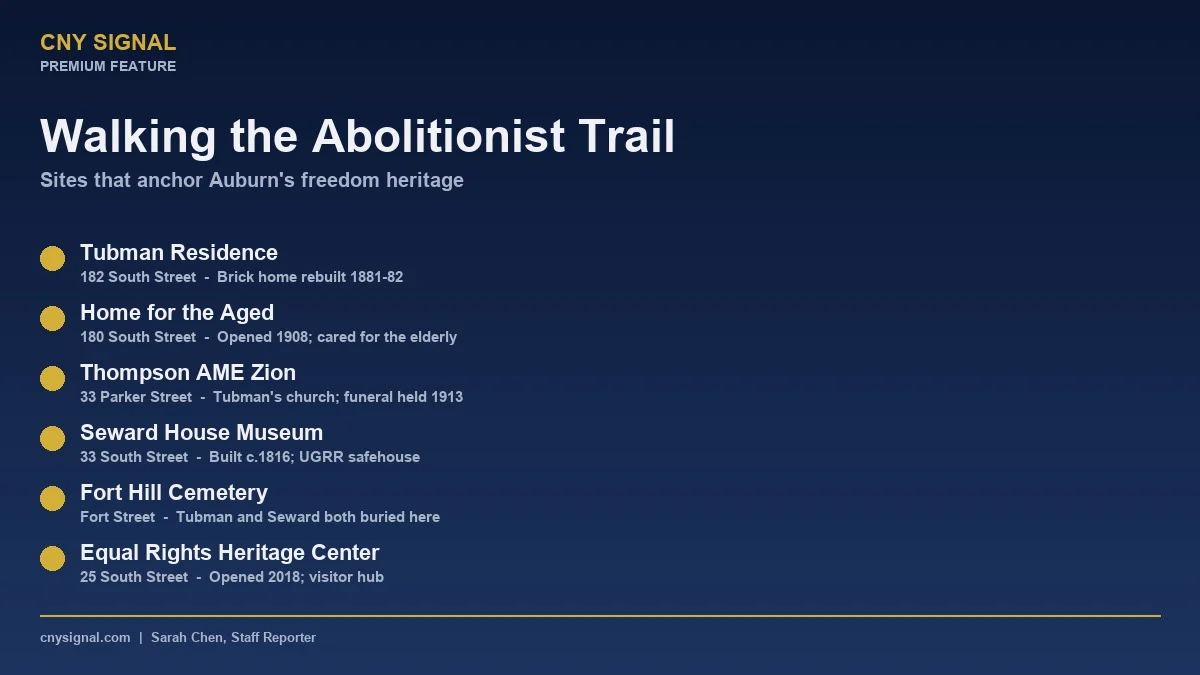
The original wood-frame house on the property burned in an accidental fire on February 10, 1880. Between 1881 and 1882, Tubman and her family rebuilt it in brick, using bricks made on-site. Her second husband, Nelson Davis, helped do the work. The new structure rose on a foundation of cut Onondaga limestone laid over the rubble footing of the burned house. Archaeologists later found burned personal items shoveled into the foundation trench, a small, accidental archive of the household’s most ordinary days.
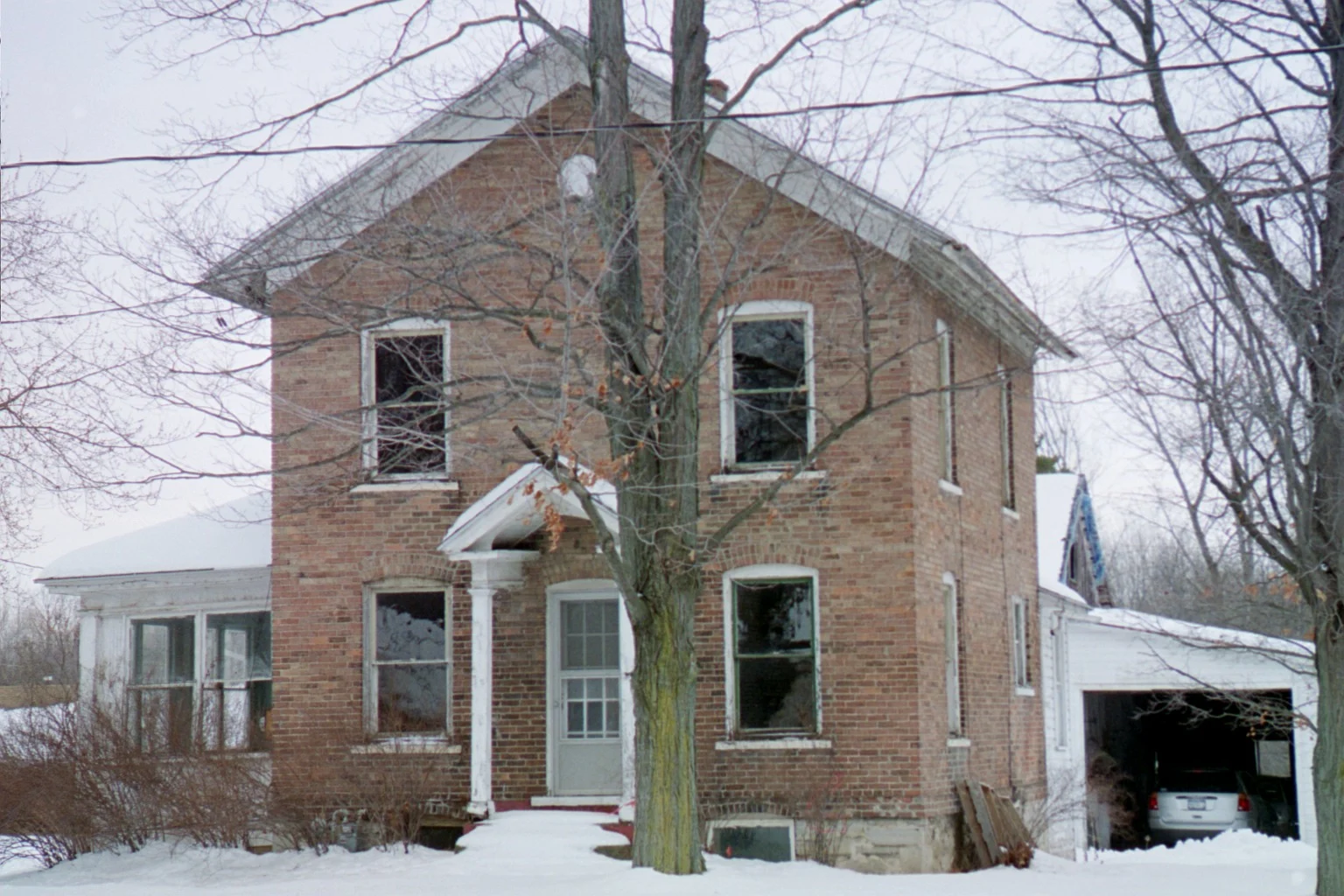
In 1896 Tubman bought an adjoining property at auction with the intention of opening a home for elderly Black residents. When she could not raise the operating funds herself, she deeded the land to the African Methodist Episcopal Zion Church in exchange for the church running the facility. The Harriet Tubman Home for Aged and Indigent Negroes opened to residents in 1908 at 180 South Street. It served as both a residence and an infirmary; Tubman herself eventually moved into a building on the property called John Brown Hall and lived there until her death.
Much of what is known about Tubman’s daily life in Auburn comes from a small biography titled Scenes in the Life of Harriet Tubman, written by Sarah Hopkins Bradford of Geneva, New York, and published in Auburn in 1869 by W.J. Moses. Bradford ran a girls’ seminary in Geneva and built the book from interviews with Tubman herself; the proceeds were intended to help support Tubman financially. A revised version followed in 1886.
She died of pneumonia on March 10, 1913. Her funeral was held at Thompson Memorial AME Zion Church on Parker Street, and roughly 1,000 mourners filed through the sanctuary. She was buried, with semi-military honors recognizing her Civil War service as a scout, spy, and nurse for the Union Army, at Fort Hill Cemetery. The three-foot headstone that now marks her grave was placed in 1937 by the Empire State Federation of Women’s Clubs. On June 2, 1863, while attached to Union forces in South Carolina, Tubman had guided the Combahee River raid under Col. James Montgomery, helping liberate more than 700 enslaved people in a single operation. She was the first woman to lead a major military expedition in U.S. history.
The federal park, designated in 2017
For most of the twentieth century, the Tubman properties were maintained by the AME Zion Church. That changed on January 10, 2017, when then-Secretary of the Interior Sally Jewell formally established the Harriet Tubman National Historical Park. It was the 51st national historical park in the system and the 414th unit of the National Park Service. The park covers 32 acres in Auburn and includes three core sites: the Harriet Tubman Residence at 182 South Street, the Home for the Aged at 180 South Street, and the Thompson Memorial AME Zion Church at 33 Parker Street.
Today the park’s church and parsonage operate seasonally on Fridays and Saturdays from 10 a.m. to 4 p.m., with ranger-led programs at 11:30 a.m. and 3 p.m. The neighboring Tubman Home, Inc. site offers two guided tours each day Tuesday through Saturday, at 10 a.m. and 2 p.m., with grounds closing at 4 p.m. Adult admission is $7, with discounts to $5 for seniors and college students and $3 for ages 6 to 17. Tours run roughly 90 minutes and must be reserved at least 24 hours ahead.
In January 2024, in connection with the bicentennial of Tubman’s birth, the U.S. Mint launched the Harriet Tubman Commemorative Coin Program, with $5 gold, $1 silver, and half-dollar clad coins reflecting her work as an Underground Railroad conductor, Civil War scout, and elder activist. It was the first time the Mint had issued coins bearing her image.
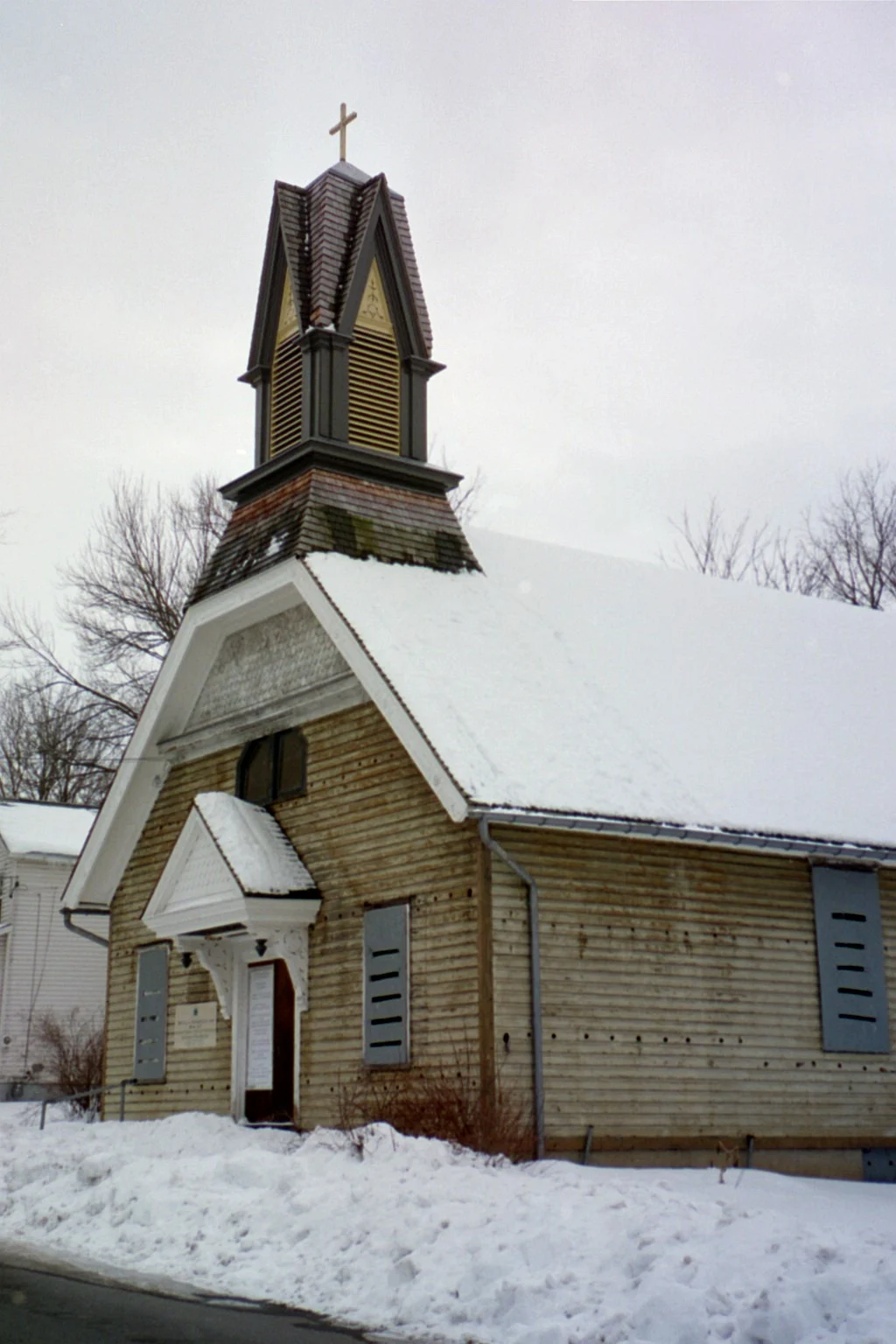
The Thompson church congregation traces its roots to 1838 in Auburn. The current building was completed in 1891, with a $500 pledge from Tubman herself toward construction. During the cornerstone laying that year, the congregation renamed itself for an early pastor, Joseph P. Thompson. Tubman, in a small ceremonial gesture, placed a coin bearing the profile of her friend John Brown inside the cornerstone. The original building largely went unused after 1993, was acquired by the National Park Service in 2017, and has been undergoing restoration to its 1913 appearance, the year of Tubman’s funeral.
The Seward House, a block away
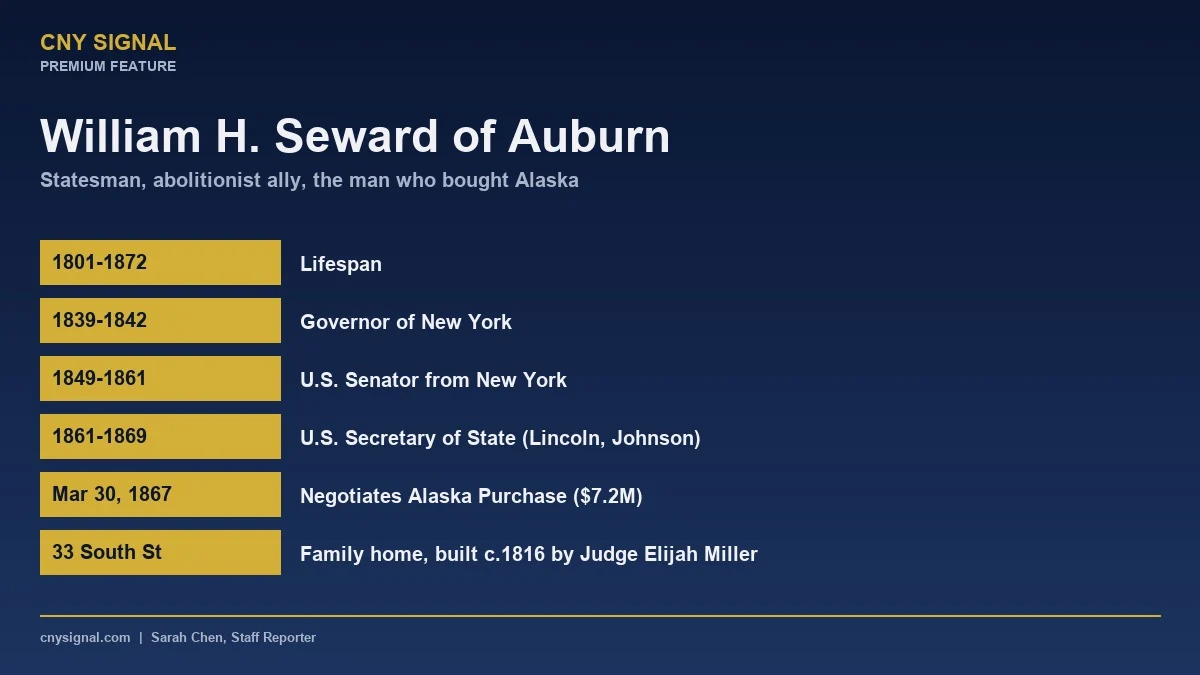
A short walk up South Street stands a Federal-style mansion at number 33. The William H. Seward House Museum was built in 1816-17 for Judge Elijah Miller, an early Cayuga County landowner who helped develop the Auburn Cotton Mills in 1817 and the Auburn and Syracuse Railroad in 1839. Miller’s son-in-law, William Henry Seward, lived in the house intermittently from 1824 until his death in 1872. The museum is open Tuesday through Saturday from 10 a.m. to 5 p.m., with Sunday hours June through August. General admission runs $15 for adults and $10 for visitors 12 and under, and the gardens are free and open at all hours.
Seward’s career is a crowded resume even by 19th-century standards. He served as a New York state senator, governor of New York from 1839 to 1842, U.S. senator from 1849 to 1861, and Secretary of State under both Abraham Lincoln and Andrew Johnson from 1861 to 1869. After an all-night session, Seward and Russian envoy Eduard de Stoeckl signed the Alaska treaty at 4 a.m. on March 30, 1867, transferring 586,412 square miles to the United States for $7.2 million, or roughly two cents per acre. The Senate ratified the treaty on April 9 by a 37-2 vote, and Russian sovereignty formally ended on October 18, 1867. Critics derided the deal as “Seward’s Folly” at the time. The house was designated a National Historic Landmark in 1964 and added to the National Register on October 15, 1966. It opened as a museum after the family transferred it to a nonprofit in 1951.
The Seward family papers themselves now live about 80 miles to the west, at the University of Rochester’s Rare Books, Special Collections and Preservation department, which has been the official repository since 1951. The collection runs to roughly 230 linear feet and 150,000 items, including correspondence, governor’s files, diaries, and a 3,600-piece pamphlet collection. A digital humanities project at the university, the Seward Family Digital Archive, has drawn more than $1 million in grant funding to transcribe and publish the letters online.
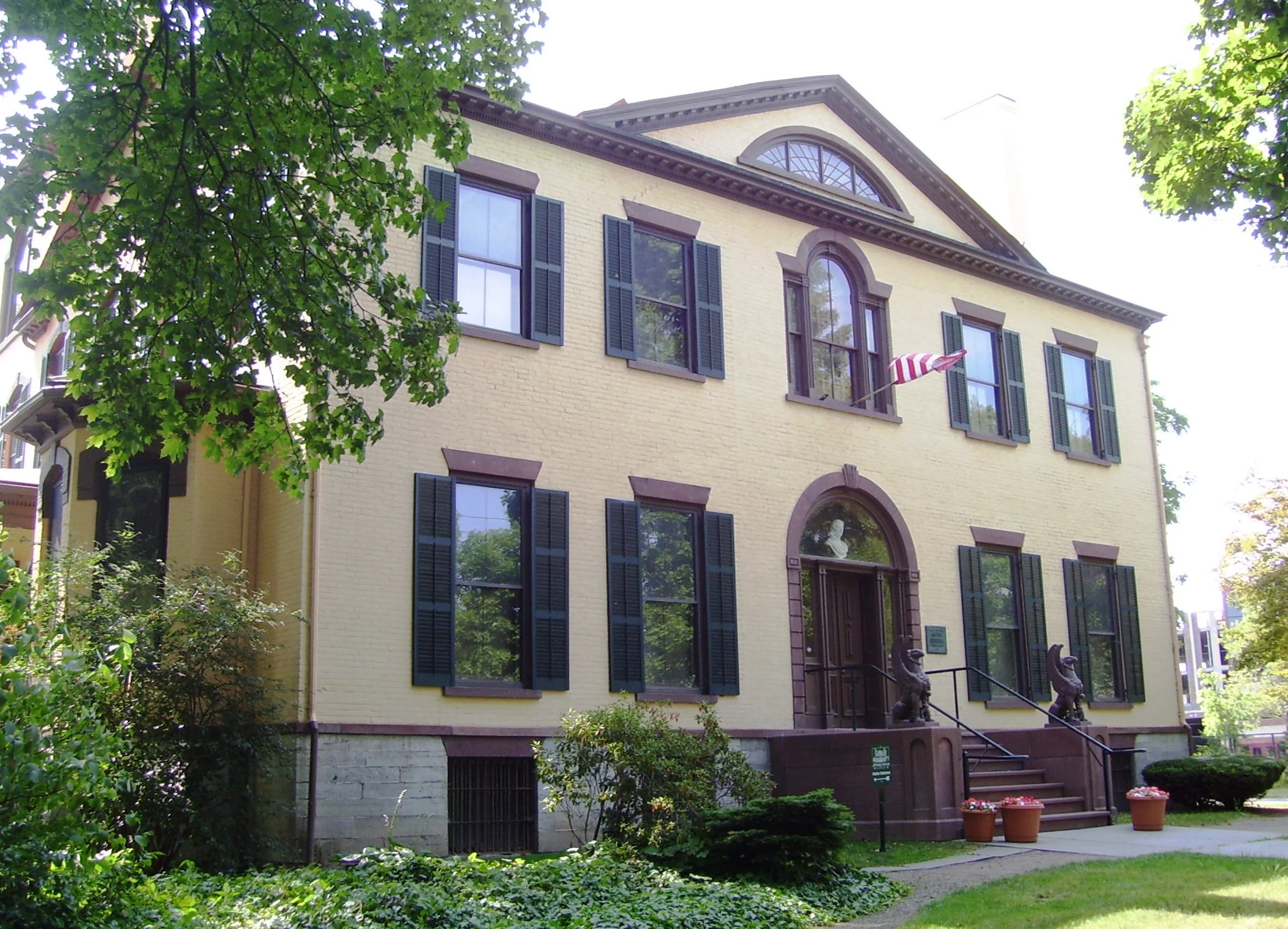
What is less often told is that the Seward house was an active station on the Underground Railroad. In the 1850s, the family sheltered freedom seekers in two hiding places, a room above the woodshed at the back of the house and a converted basement kitchen at the front. Frances Seward, given her husband’s frequent absences for political work, played the more active day-to-day role. She and her sister Lazette Worden, along with Quaker activist Martha Coffin Wright, formed the core of an Auburn women’s network that linked the city to Underground Railroad nodes throughout Maryland, Pennsylvania, central and western New York, and Canada. Frances also raised Tubman’s young niece Margaret in the South Street house until Tubman herself settled permanently in Auburn.
Seward’s connection to Auburn nearly ended on the night of April 14, 1865. While Lincoln was being shot at Ford’s Theatre, Lewis Powell, one of John Wilkes Booth’s co-conspirators, talked his way into Seward’s home on Lafayette Square in Washington, posing as a delivery boy bringing medicine. Seward was bedridden after a recent carriage accident. Powell beat Seward’s son Frederick badly with a revolver, then slashed Seward’s face and throat repeatedly with a knife. A metal surgical collar fitted because of the carriage injuries deflected the worst of the blows. Seward survived. Powell was hanged in July 1865.
The complicated company they keep
Auburn’s history is not all liberation. In 1816, the same year the Seward house was built, the New York legislature authorized construction of a second state prison at Auburn to relieve overcrowding at Newgate in New York City. By 1818 it housed inmates, and by 1821 it had a solitary-confinement wing that became the model for American prisons.
The “Auburn system,” developed there in the 1820s under deputy warden John D. Cray and agent Elam Lynds, kept prisoners in solitary cells at night and in silent group labor by day. Innovations included the lockstep march, striped uniforms, two-foot wall extensions between cells, and seating arrangements at meals all designed to enforce silence. The system was sold to lawmakers as rehabilitative and to taxpayers as cost-effective, and it spread across the United States. The site was also home to the first execution by electric chair, on August 6, 1890, when William Kemmler was electrocuted for the axe murder of Matilda Ziegler. The first jolt of about 700 volts ran for 17 seconds and failed to kill him; a second charge of 1,030 volts had to be applied for roughly two minutes. The chair landed in the middle of the “war of the currents” between Edison’s direct-current and Westinghouse’s alternating-current camps. Today the Auburn Correctional Facility still operates on the same ground, the second-oldest prison in New York. The Cayuga Museum of History and Art has examined this difficult inheritance in its long-running exhibition on Auburn and its prison.
A walkable city, a working museum district
Three sites help orient first-time visitors. The New York State Equal Rights Heritage Center, opened on November 13, 2018, at 25 South Street, is the official state visitor center for the region’s abolition, suffrage, civil rights, and LGBTQ+ history. It is open Monday through Saturday, 9 a.m. to 5 p.m., with free admission, and houses the “Seeing Equal Rights in NYS” interactive exhibition along with a Taste NY market and the courtyard Tubman statue that anchors the city’s free walking tours. It also serves as the Auburn and Cayuga County visitor information desk. The Cayuga Museum of History and Art and the adjacent Schweinfurth Memorial Art Center share the West End Arts Campus on Genesee Street, with new connecting plazas and walkways unveiled at a ribbon cutting on May 2, 2025. The Schweinfurth opened on May 17, 1981, funded by a trust established by Julius Schweinfurth.
The arts scene extends to Auburn Public Theater at 161 Genesee Street, founded in 2005 by Angela Daddabbo and Carey Eidel and built, by their own telling, after a feng shui consultation for the family pizzeria. The theater has welcomed more than 150,000 patrons across its programming since opening, and its current calendar runs cinema, live music, comedy, and educational events most weeks of the year. Cayuga Community College, the first community college approved by the SUNY Board of Trustees on April 9, 1953, anchors higher education in the city; classes began the next September with 69 students at the former James Street Elementary School and the campus has grown into a multi-county SUNY institution.
Auburn’s health-care anchor is Auburn Community Hospital on Lansing Street, founded in 1878 as the 13-bed Auburn City Hospital with a $30,000 bequest from James S. Seymour, president of the Bank of Auburn. It became Auburn Memorial Hospital, then renamed Auburn Community Hospital in 2012, and signed a 2017 affiliation with St. Joseph’s Health in Syracuse and the University of Rochester Medical Center.
Outside downtown, Hoopes Park, a public park created in 1922 on land donated by the family of real-estate investor Edward Hoopes, provides a pond, a 1929 clubhouse, formal flower gardens, walking paths, and a long-running summer concert and movie series. Casey Park, on the other side of town, holds the city’s only public swimming pool, a refrigerated indoor ice rink that runs open skate from November through February for $5, lighted softball fields and tennis courts, a skate park, and Falcon Park stadium, where the Auburn Doubledays now play. The Doubledays were a New York-Penn League affiliate from 1958 to 2020 and won eight league titles before MLB’s 2020 minor-league reorganization cut the team loose; the franchise pivoted to summer-collegiate ball in the Perfect Game Collegiate Baseball League in 2021.
South of the city, on the lake’s shore, the Springside Inn at 6141 West Lake Road dates to 1851, when missionary educator Samuel Robbins Brown built it as a boys’ school. It was designated a state historical site in 1973. Its on-site restaurant, Oak and Vine, transitioned in May 2023 from daily dining to a private events space; the inn now opens its dining rooms primarily for weddings and scheduled events. For visitors looking to keep going, Cayuga Lake, the longest of the Finger Lakes at nearly 39 miles and 435 feet at its deepest, sits a short drive west, and its perimeter holds the Cayuga Lake Wine Trail, established in 1983 as the first wine trail in the United States and now home to nearly 30 wineries, cideries, distilleries, and a meadery.
Beneath all of it lies a still older industry. The Auburn-Owasco-Cayuga corridor sits over the same Silurian-era salt beds that fed the Onondaga salt springs at Syracuse and the Cayuga Lake Salt Company at Myers Point in 1891. Brine from Cayuga County’s Montezuma springs was second only to Onondaga’s in early 19th-century output, and the Cayuga rock-salt mine under the lake’s east shore has produced road salt for more than 150 years; Cargill bought the mining rights in 1970 and still operates it.

What Fort Hill holds
Fort Hill Cemetery, established in 1852, sits on ground believed to have been a fortified Cayuga village in the mid-16th century. Its 56-foot obelisk, raised in 1852, honors Tah-gah-jute, known as Logan, a Cayuga orator of the Haudenosaunee Confederacy. Both Tubman and Seward are buried within its grounds, as are Quaker abolitionist Martha Coffin Wright and Lt. Col. Myles Keogh, the Irish-born U.S. Cavalry officer killed at the Battle of the Little Bighorn in 1876. The cemetery is open to the public and remains a frequent stop on the city’s free walking tours, which depart from the Tubman statue in the courtyard of the Equal Rights Heritage Center.
Why Auburn matters now
The most striking thing about Auburn is not any single building. It is the proximity. Tubman’s home, the Sewards’ parlor, the Thompson church, Fort Hill, and the prison that defined a national approach to incarceration all sit within a one-mile walk. The friendship between the Sewards and Tubman was not an abstraction; it was a back-and-forth of land deeds, letters, child-rearing, and shared cause across the same few blocks. The National Park Service designation in 2017, the Equal Rights Heritage Center in 2018, and the new arts campus in 2025 are the first sustained civic investments in telling that story together rather than in isolation.
For Central New York, Auburn is also a model of how a small city can hold a difficult, layered American narrative, abolition and incarceration, liberation and statecraft, faith and politics, without flattening any of it. That, more than any one site, is what makes the trip worth taking.
Sarah Chen covers Central New York for CNY Signal. Tips: [email protected].
Related on CNY Signal: how Skaneateles Lake supplies Syracuse drinking water, our deep dive on neighboring Cazenovia, and every Central New York town we cover.
Frequently Asked Questions
Where did Harriet Tubman live in Auburn?
Tubman bought a seven-acre farm on South Street from Frances Adeline Seward, wife of Senator William H. Seward, in early 1859 for $1,200. The original wood-frame house burned in February 1880, and Tubman and her family rebuilt it in brick between 1881 and 1882 using bricks made on-site. The Harriet Tubman Residence stands at 182 South Street today.
When was Harriet Tubman National Historical Park established?
Then-Secretary of the Interior Sally Jewell formally established Harriet Tubman National Historical Park on January 10, 2017. It became the 51st national historical park in the system and the 414th unit of the National Park Service. The park covers 32 acres in Auburn and includes the Tubman Residence, the Home for the Aged at 180 South Street, and Thompson Memorial AME Zion Church at 33 Parker Street.
Where is Auburn, New York located?
Auburn is the seat of Cayuga County in Central New York, with a population of roughly 26,000. The city sits at the north end of Owasco Lake, the third easternmost and sixth largest of the Finger Lakes. Owasco runs 10.7 miles long, reaches 177 feet at maximum depth, and supplies drinking water to about 44,000 residents.
How can visitors tour Tubman’s home?
The Tubman Home, Inc. site offers guided tours twice daily Tuesday through Saturday at 10 a.m. and 2 p.m., with grounds closing at 4 p.m. Adult admission is $7, with discounts to $5 for seniors and college students and $3 for ages 6 to 17. Tours run roughly 90 minutes and must be reserved at least 24 hours ahead.
When did Harriet Tubman die?
Tubman died of pneumonia on March 10, 1913. Her funeral was held at Thompson Memorial AME Zion Church on Parker Street, where roughly 1,000 mourners filed through the sanctuary. She was buried with semi-military honors at Fort Hill Cemetery in recognition of her Civil War service as a scout, spy, and nurse for the Union Army.